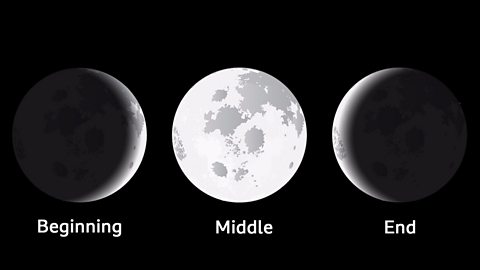
Ramadan is the ninth month of the Islamic lunar calendar and is considered one of the holiest months in Islam. It is observed by Muslims around the world as a time of fasting, prayer, reflection, and community.
O believers! Fasting is prescribed for you—as it was for those before you1—so perhaps you will become mindful ˹of Allah.
quran 2:183
The central act of Ramadan is fasting, which involves abstaining from food, drink, and other physical needs from dawn until sunset. The fast is intended to foster self-discipline, spiritual growth, and empathy for those less fortunate.
Sahur is the pre-dawn meal consumed by Muslims before they begin their fast during the month of Ramadan. It is eaten early in the morning, before the Fajr (dawn) prayer, which marks the start of the daily fast. The purpose of sahur is to provide energy and hydration to sustain individuals throughout the day of fasting.
While there are no strict rules about what can be eaten during sahur, it is common to consume nutritious foods that are high in fiber, protein, and water content, as these help maintain energy levels and prevent dehydration. Common choices include fruits, vegetables, whole grains, yogurt, eggs, and water. Some people also include dates or other traditional foods, depending on their cultural practices.
Having sahur is considered highly recommended and encouraged in Islam, as it helps ease the fasting experience and is also a time of blessing, as the Prophet Muhammad (peace be upon him) emphasized the importance of partaking in this meal.
The fast is broken each day at sunset with a meal called iftar, and it typically begins with the eating of dates and drinking water.
During Ramadan, Muslims also engage in increased prayer and recitation of the Quran, and they strive to improve their personal conduct, focusing on virtues such as kindness, charity, and humility.
The last ten days of Ramadan are especially significant, with many Muslims seeking the “Night of Power” (Laylat al-Qadr), a night believed to be when the Quran was first revealed to the Prophet Muhammad (peace be upon him). Ramadan concludes with the celebration of Eid al-Fitr, a festive holiday that marks the end of the fasting period and is a time for giving thanks, feasting, and sharing with loved ones and the less fortunate.