The Federal Government has renewed its push to end the menace of vehicle overloading on Nigerian roads, with the Presidency calling for stronger collaboration among regulators, transport operators, security agencies and road users.
The call was made in Abuja at the launch of the National Movement for Safe Loading and Safe Road Use, a stakeholder dialogue jointly organised by the Federal Road Safety Corps (FRSC) and BusinessDay Media, with the theme: “Ending Overloading, Saving Lives: A National Commitment to Safer Roads and Responsible Transformation in Nigeria.”
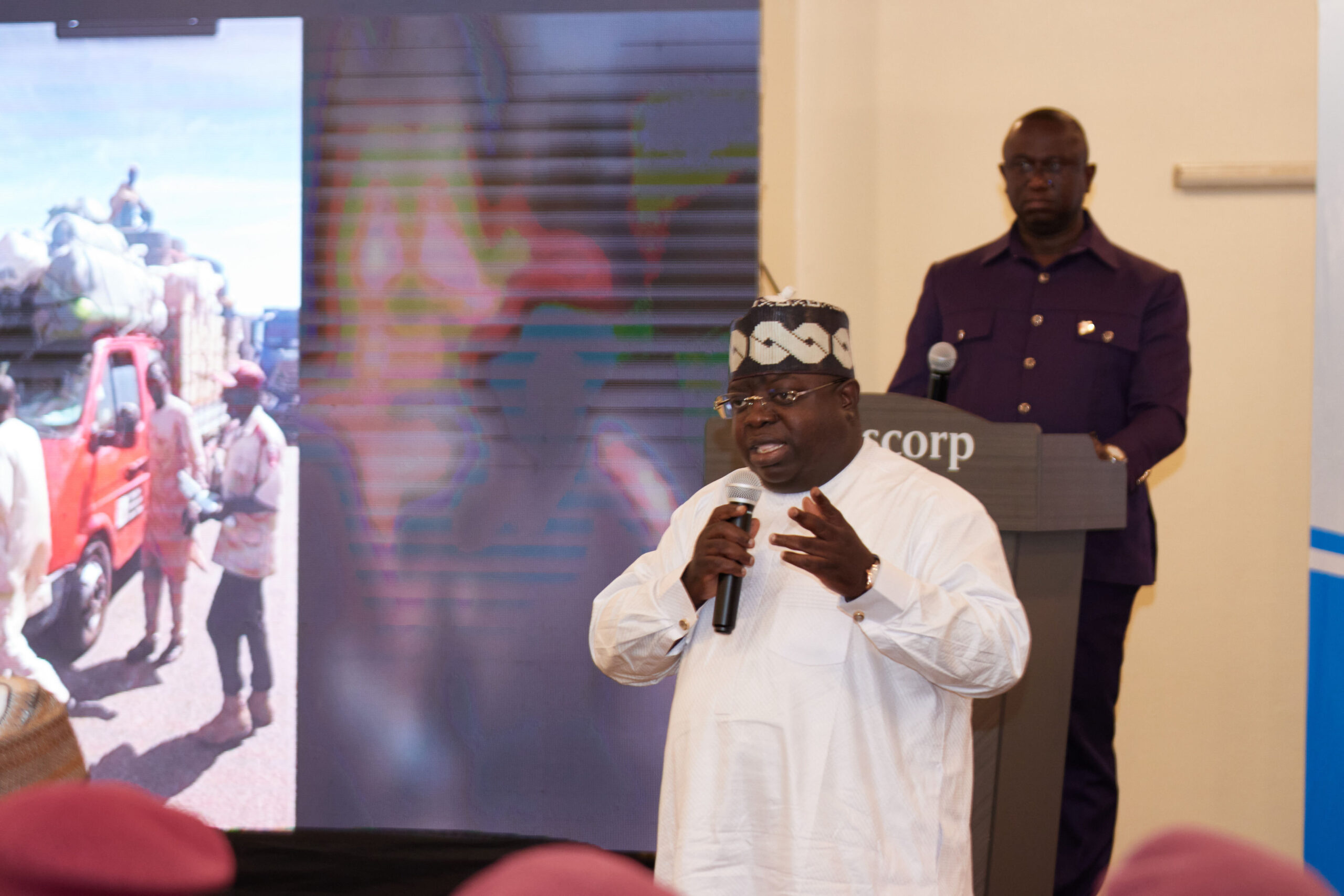
Speaking at the event, the Senior Special Assistant to the President on Transportation and Mobility, Prince Adetokunbo Ademola Ade-John, said tackling overloading could no longer be left solely to enforcement agencies, stressing that the responsibility must be shared by everyone who uses or depends on Nigeria’s road transportation system.
Ade-John said ending overloading would require a coordinated national effort involving government agencies, transport unions, drivers, cargo owners and ordinary road users.
According to him, the danger posed by overloading extends beyond those directly involved in the offence, as anyone who is safe on the road today could become a victim tomorrow.
He said the Federal Government, under President Bola Tinubu, was committed to strengthening collaboration with the FRSC and other stakeholders to tackle the problem and improve safety across the country.
The presidential aide also disclosed that the government would continue to support stakeholder engagements, workshops and policy reviews aimed at identifying weaknesses in the existing transportation system and developing more effective measures.
He urged motorists and other road users to cooperate with traffic and road safety officials during enforcement operations, warning drivers against attempting to evade officials when stopped for checks.
According to him, such evasive actions could trigger avoidable crashes and place both motorists and enforcement personnel in danger.
Also speaking, the FRSC Corps Marshal, Shehu Mohammed, said the Corps was repositioning its approach from reactive enforcement to proactive prevention.
He described overloading as more than a traffic offence, saying it was simultaneously a road-safety, infrastructure, logistics and economic-development challenge.
Mohammed explained that excessive loads could compromise braking, steering and vehicle stability, while accelerating vehicle deterioration, increasing the likelihood of crashes and contributing to the premature deterioration of roads.
He warned that the problem was particularly prevalent in the haulage and logistics sector, where the pressure to maximise every journey could encourage operators to exceed approved weight limits.
The Corps Marshal insisted that commercial considerations must not be allowed to override human safety.
He called on cargo owners and shippers to accurately declare the weight of goods, while urging operators to maintain their vehicles and comply with approved loading limits.
The FRSC boss further stressed that Nigeria’s economic activities depend heavily on the safe transportation of agricultural produce, raw materials, manufactured goods, fuel and other essential commodities.
The stakeholder dialogue attracted representatives of motorcycle and tricycle unions, the Police, Army, Air Force, Civil Defence Corps, the media and other relevant organisations.